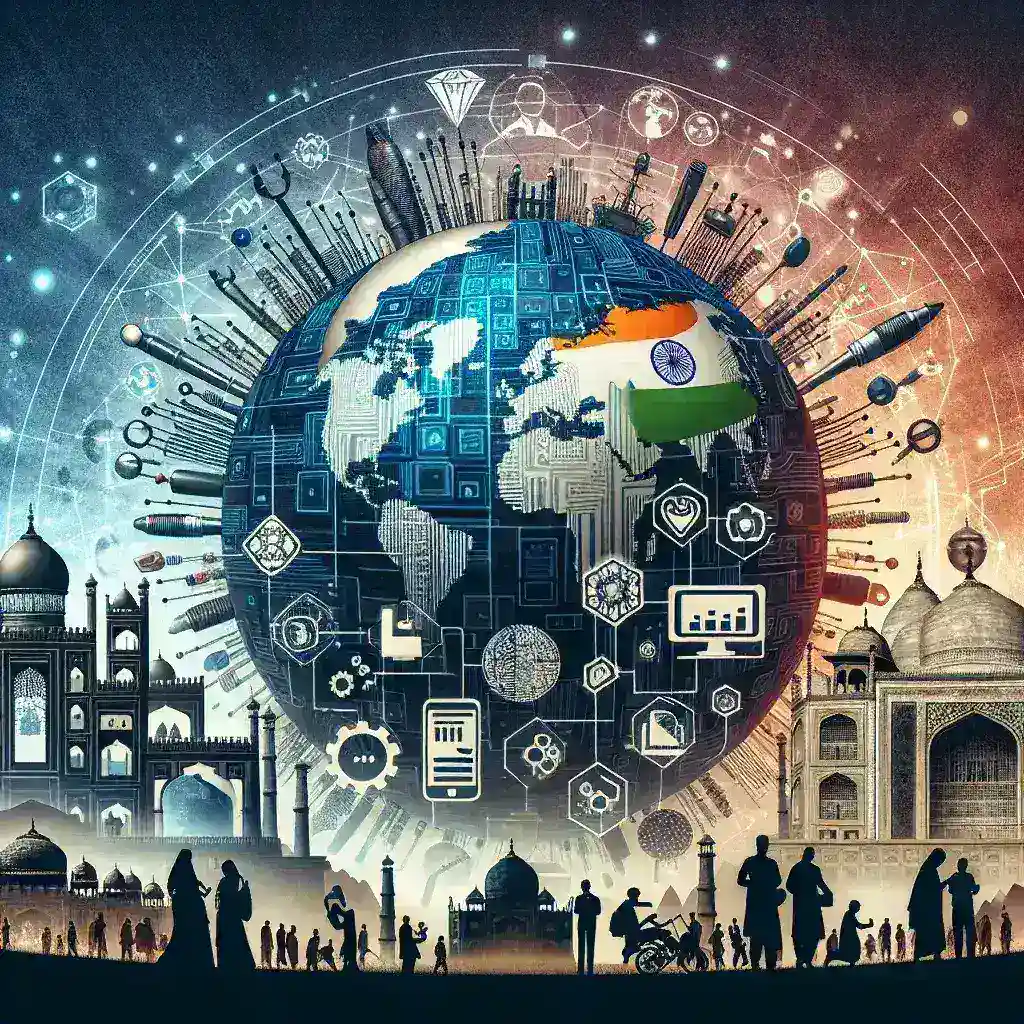
India’s Tech Regulation Model: A New Paradigm for the Global Stage?
India, a nation rapidly ascending as a global tech powerhouse, is increasingly promoting its regulatory framework as a potential blueprint for other countries grappling with the complexities of the digital age. This isn’t mere self-promotion; India’s approach, a blend of proactive intervention and market-driven growth, presents a unique model with both compelling advantages and significant challenges.
A Balancing Act: Fostering Innovation While Addressing Concerns
Unlike some Western nations that prioritize a more hands-off, laissez-faire approach, or others that impose stringent, top-down controls, India’s strategy seeks a delicate balance. It aims to nurture the burgeoning tech sector, a key driver of economic growth, while simultaneously addressing critical issues like data privacy, cybersecurity, and the potential for monopolistic practices. This approach is reflected in a series of recent policy initiatives, including the Digital Personal Data Protection Act (DPDP), the Information Technology (Intermediary Guidelines and Digital Media Ethics Code) Rules, 2021 and the ongoing amendments to the Competition Act.
Key Features of India’s Model:
- Data Localization Emphasis: India’s regulations place a significant focus on data localization, requiring certain types of sensitive personal data to be stored within the country. Proponents argue this enhances national security and allows for better regulatory oversight. Critics, however, express concerns about hindering cross-border data flows and potentially increasing compliance costs for companies.
- Robust Data Privacy Framework: The DPDP Act, while relatively new, represents a significant step toward establishing a comprehensive data protection framework. It grants individuals greater control over their personal data, including the right to access, rectify, and erase information. Its impact and effectiveness still needs further evaluation as it is relatively new.
- Focus on Intermediary Accountability: The IT Rules, 2021, aim to hold social media platforms and other online intermediaries accountable for the content hosted on their platforms. This regulatory approach, while intended to combat misinformation and harmful content, has also sparked debates regarding freedom of expression and censorship.
- Competition Policy: India’s competition laws are increasingly being used to address concerns about anti-competitive practices by large tech companies, reflecting a global trend of stricter scrutiny of the power wielded by tech giants.
Comparative Analysis: India vs. Other Models
Comparing India’s approach to other global models reveals both similarities and striking differences. The European Union’s General Data Protection Regulation (GDPR) is often cited as a benchmark for data privacy. While both aim to protect user data, the GDPR’s scope is broader and its enforcement mechanisms arguably more robust. China, on the other hand, adopts a more centralized and state-controlled approach to tech regulation, prioritizing national security and control over individual liberties. India’s model, in comparison, appears to navigate a middle ground, seeking to balance innovation with protection.
Potential Benefits and Challenges:
Potential Benefits:
- Enhanced Data Security: Data localization and stringent privacy regulations can enhance the security of personal data, reducing the risk of breaches and misuse.
- Increased Consumer Protection: Greater transparency and accountability for online intermediaries can better protect consumers from harmful content and unfair practices.
- Boost to Domestic Tech Industry: A supportive regulatory environment can foster the growth of India’s domestic tech sector, creating jobs and promoting economic development.
- Global Leadership: India’s approach to tech regulation could potentially establish it as a global leader in shaping future digital governance frameworks.
Challenges:
- Balancing Innovation and Regulation: The delicate balance between fostering innovation and enforcing regulations remains a constant challenge. Overly stringent regulations could stifle innovation, while lax regulations could lead to exploitation and harm.
- Implementation and Enforcement: Effective implementation and enforcement of regulations are crucial for their success. Lack of resources or capacity could compromise the effectiveness of these regulations.
- International Harmonization: The lack of international harmonization in tech regulation can lead to inconsistencies and complexities for companies operating across multiple jurisdictions.
- Evolving Technological Landscape: The rapid pace of technological advancement makes it challenging to keep regulations current and relevant.
The Path Forward: A Speculative Outlook
India’s ambitions to become a global model for tech regulation are ambitious. The success of its approach hinges on several factors: consistent and effective implementation of existing laws, adaptive regulatory frameworks that keep pace with the ever-evolving technological landscape, and international collaboration to address the global challenges of digital governance. While challenges remain, India’s trajectory suggests a significant influence on the future of global tech regulation.
Conclusion:
India’s attempt to carve a distinct path in global tech regulation is a noteworthy development. Its model, characterized by a blend of proactive intervention and market-driven growth, offers a unique perspective. While the long-term effectiveness and global adoption of this model remain to be seen, India’s proactive role in shaping the future of digital governance is undeniable. This innovative approach warrants close observation and analysis as it unfolds, offering valuable lessons for nations navigating the complexities of the digital age.
Disclaimer: This analysis presents a balanced perspective on India’s tech regulation model. It is not intended as legal advice and should not be considered a definitive judgment on the merits or flaws of the policies discussed.