Introduction
The entertainment industry has always been a fertile ground for innovation. From the early days of silent films to the advent of color television, each technological advance has paved the way for new forms of storytelling and audience engagement. Today, technology is transforming the entertainment landscape in ways that were unimaginable just a decade ago. This article explores how technology is changing the entertainment industry, focusing on key areas like streaming services, virtual reality, augmented reality, artificial intelligence, and more.
Streaming Services
The Rise of On-Demand Content
One of the most significant changes in the entertainment industry is the rise of streaming services. Platforms like Netflix, Amazon Prime Video, and Disney+ have redefined how audiences consume media. Gone are the days when viewers had to wait for their favorite shows to air. With on-demand content, users can watch what they want, when they want, and on any device.
Content Libraries and Original Programming
Streaming services offer vast content libraries that include films, TV shows, documentaries, and more. These platforms also invest heavily in original programming, providing unique content that cannot be found elsewhere. This shift has challenged traditional cable and broadcast television networks to adapt or risk becoming obsolete.
Virtual Reality
Immersive Experiences
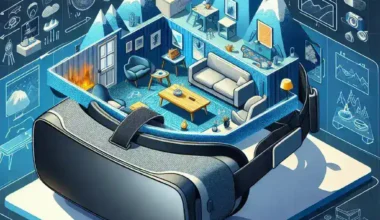
Virtual Reality (VR) is another technological innovation that is reshaping the entertainment industry. VR offers immersive experiences that transport users to different worlds, enabling them to explore environments and interact with digital objects in a way that feels incredibly real.
Gaming and Beyond
While VR initially gained traction in the gaming industry, its applications have expanded to include virtual concerts, interactive movies, and even virtual theme parks. For example, platforms like Oculus Rift and PlayStation VR offer a range of entertainment options that go beyond traditional gaming.
Augmented Reality
Enhanced Realities
Augmented Reality (AR) blends digital elements with the real world, enhancing the user’s perception of their surroundings. AR has found a natural home in the entertainment industry, particularly in mobile gaming and live events.
Interactive Experiences
Games like Pokémon Go have demonstrated the potential of AR to create engaging, location-based experiences. Similarly, live events and concerts are incorporating AR elements to offer attendees an augmented view of performances, thereby enhancing the overall experience.
Artificial Intelligence
Personalized Recommendations
Artificial Intelligence (AI) plays a crucial role in the entertainment industry by offering personalized content recommendations. Streaming services use AI algorithms to analyze viewing habits and suggest movies and shows tailored to individual preferences. This personalization enhances user experience and increases viewer retention.
Content Creation and Distribution
AI is also transforming content creation and distribution. For example, AI-powered tools can generate scripts, edit videos, and even create digital actors. These innovations streamline the production process and reduce costs, making it easier for creators to bring their visions to life.
Social Media and Content Sharing
Viral Trends
Social media platforms like Facebook, Instagram, and TikTok have become prominent channels for content sharing and discovery. Viral trends and challenges can propel movies, music, and other forms of entertainment into the spotlight, reaching a global audience in a matter of hours.
Direct Interaction with Fans
Social media also allows celebrities and creators to interact directly with their fans. Live streams, Q&A sessions, and behind-the-scenes content offer a level of engagement that was previously impossible, fostering a stronger connection between artists and their audiences.
Blockchain and Digital Rights Management
Securing Intellectual Property
Blockchain technology is being adopted in the entertainment industry for its potential to secure intellectual property. Blockchain can verify the authenticity of digital assets, ensuring that creators receive proper compensation for their work.
Transparent Transactions
Blockchain also enables transparent transactions and royalty distributions. Smart contracts can automate payments to artists, producers, and other stakeholders, reducing the risk of fraud and ensuring that everyone involved in the creation process is fairly compensated.
Conclusion
Technology is undoubtedly revolutionizing the entertainment industry, making it more accessible, immersive, and interactive. From streaming services to virtual reality, the advances in technology are offering new ways for audiences to engage with content. As these innovations continue to evolve, the line between reality and fiction will blur, creating unprecedented opportunities for storytelling and audience engagement. The future of entertainment is bright, and technology will be at its forefront.