Introduction
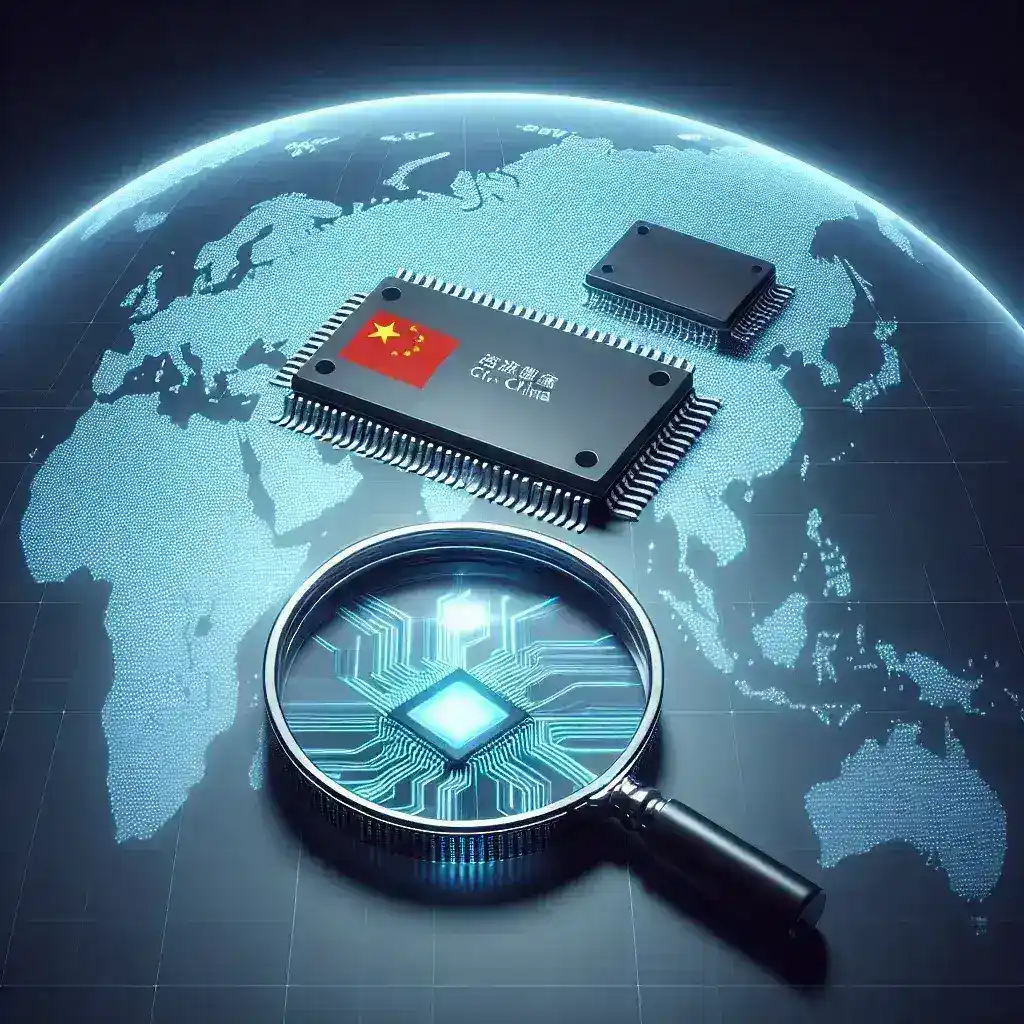
In recent years, the global semiconductor industry has witnessed unprecedented growth, driven largely by the surge in demand for artificial intelligence (AI) technologies. Central to this narrative is Nvidia, a leading provider of AI chips that power numerous applications from data centers to autonomous vehicles. However, the landscape is shifting as China has recently issued a preliminary antitrust finding against Nvidia, raising questions about its future in one of the world’s largest tech markets. This article delves into the details of China’s investigation, its implications for Nvidia, and broader consequences for the global AI chip market.
Understanding the Antitrust Findings
The Chinese State Administration for Market Regulation (SAMR) has been scrutinizing Nvidia’s business practices in the context of antitrust regulations. The preliminary findings suggest that Nvidia may have engaged in anti-competitive behavior by potentially manipulating prices and restricting market access for competitors. This comes amid a backdrop of increasing tensions between the U.S. and China over technology and trade, further complicating the situation.
The Allegations Against Nvidia
- Price Manipulation: Allegations have surfaced that Nvidia has been inflating the prices of its graphics processing units (GPUs) for AI applications, creating entry barriers for smaller companies.
- Market Control: Nvidia’s significant market share in the AI chip sector has raised concerns that it holds too much power over pricing and availability, which could stifle innovation.
- Exclusive Contracts: Reports indicate that Nvidia may have been engaging in exclusive agreements with key clients, limiting access to competitors and hindering market competition.
The Global Impact of the Findings
China’s findings carry substantial implications not only for Nvidia but also for the global semiconductor industry and the future of AI technology.
1. Regulatory Scrutiny Increases
The preliminary antitrust findings could lead to heightened regulatory scrutiny of major tech companies worldwide. Other nations may look to China’s approach as a template for their own investigations into anti-competitive practices. Companies in the tech sector, particularly those involved in AI and semiconductors, may need to reevaluate their business strategies to comply with emerging regulations.
2. Supply Chain Disruption
Nvidia’s GPUs are integral to numerous AI applications. Should the company face penalties or restrictions in China, it could lead to significant disruptions in the supply chain. This could create shortages and drive up prices for AI chips globally, impacting businesses and consumers alike.
3. Shifts in Market Dynamics
The antitrust findings could create opportunities for competitors to gain market share and innovate in the AI chip sector. Startups and smaller firms may find themselves with a more level playing field, encouraging diversity and competition within the market.
The Future of AI Chips in Light of Antitrust Regulations
As we move forward, the implications of China’s findings will likely stimulate discussions about the future of AI chips and the ethics of competition in the technology sector.
Innovation versus Regulation
While regulations are necessary to ensure fair competition, they can also stifle innovation if applied too stringently. The challenge will be finding a balance that promotes healthy competition without hindering technological advancement. This is particularly crucial in the fast-evolving AI landscape, where breakthroughs can come from both established giants and emerging players.
Geopolitical Considerations
The geopolitical tensions between the U.S. and China further complicate the situation. As both countries race to assert their dominance in AI technology, the findings may exacerbate existing conflicts. Companies like Nvidia will need to navigate these waters carefully, as regulatory landscapes shift rapidly in response to international relations.
The Role of Collaboration
In a climate of increasing regulation, collaboration may emerge as a key strategy for companies in the semiconductor industry. By working together, companies can share resources, reduce costs, and enhance innovation while ensuring compliance with antitrust laws. Collaborations between academic institutions, startups, and major corporations could lead to groundbreaking advancements in AI chip technology.
Conclusion
The preliminary antitrust findings against Nvidia by Chinese regulators mark a critical moment for the global AI chip market. As major players navigate the implications of these findings, the future will likely see both challenges and opportunities. By fostering a competitive yet collaborative environment, the semiconductor industry can continue to thrive, driving innovation that shapes the future of AI technology.