Introduction to Samsung’s Smart Contact Lenses
In a significant leap toward the future of augmented reality (AR), Samsung has unveiled its latest innovation: smart contact lenses tailored for AR navigation testing. This breakthrough promises to transform how users interact with the digital world, seamlessly merging it with the physical landscape. The introduction of these lenses not only highlights Samsung’s commitment to advancing wearable technology but also opens up discussions about the implications of such innovations.
The Concept Behind Smart Contact Lenses
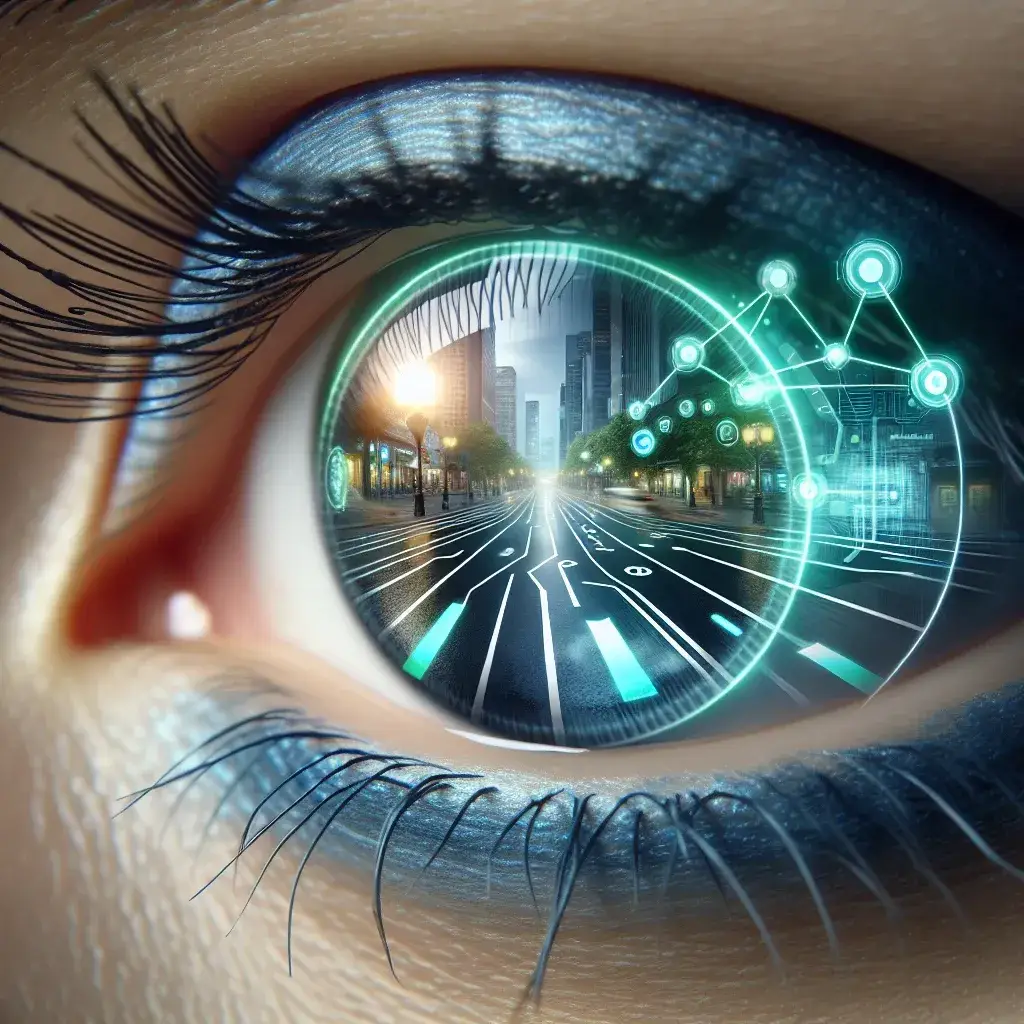
These smart contact lenses are designed to provide users with real-time navigation assistance. Imagine receiving directions directly in your line of sight, with AR overlays enhancing your perception of the environment. This revolutionary product is set to redefine how we navigate our surroundings, whether in bustling cityscapes or while hiking in nature.
How Do They Work?
The lenses utilize advanced technologies including micro-displays and sensors that track eye movement and environmental conditions. By integrating these technologies, users can experience a hands-free navigation system that offers:
- Real-time directions: Navigate effortlessly without needing to glance at a smartphone.
- Interactive maps: Visualize routes and points of interest directly before your eyes.
- Environment awareness: Receive alerts for nearby landmarks or traffic updates.
Historical Context: The Evolution of Wearable Technology
The journey of wearable technology began decades ago, evolving from basic fitness trackers to sophisticated smartwatches and now, to contact lenses. As AR technology gained traction in consumer markets, companies like Samsung recognized the potential for integration into daily life.
In recent years, we’ve seen substantial advancements in AR applications, fueled by increasing smartphone capabilities and the development of AR-specific platforms. Samsung’s latest venture signifies a culmination of these trends, showcasing the company’s expertise and vision for the future.
Future Predictions for Smart Contact Lenses
As we look ahead, the implications of smart contact lenses extend far beyond navigation. Experts predict that features such as:
- Health monitoring: Integration with health apps to keep track of vital signs.
- Remote assistance: Enabling professionals to receive live feedback during tasks.
- Enhanced gaming experiences: Merging real-world environments with immersive gameplay.
Pros and Cons of Smart Contact Lenses
Pros
- Hands-free convenience: The ability to navigate without distraction.
- Seamless integration: Merging digital and physical worlds effortlessly.
- Innovative user experience: Enhancing everyday activities with AR overlays.
Cons
- Privacy concerns: Potential misuse of data collected through the lenses.
- Health considerations: The long-term effects of wearing smart lenses are still unknown.
- Technical limitations: Battery life and connectivity issues may hinder user experience.
Step-by-Step Guide: How to Use Smart Contact Lenses
For those eager to embrace this new technology, here’s a simple guide on how to use Samsung’s smart contact lenses:
- Initial Setup: Follow the manufacturer’s instructions to pair the lenses with your smartphone or AR device.
- Calibration: Adjust the settings for your vision and comfort level.
- Exploration: Start with basic navigation features to familiarize yourself with the interface.
- Take advantage of additional features: Gradually explore health monitoring and interactive applications.
Cultural Relevance and Impact
As augmented reality continues to infiltrate various industries, the cultural implications of smart contact lenses cannot be overlooked. From altering how we experience art and entertainment to enhancing our daily commutes, these lenses may redefine our relationship with technology.
Real-World Applications
Already, we see glimpses of how AR technology is shaping experiences across sectors:
- Tourism: AR-guided tours providing historical context in real-time.
- Healthcare: Surgeons using AR for enhanced precision during procedures.
- Education: Students engaging with interactive learning experiences through AR overlays.
Expert Opinions on Smart Contact Lenses
Industry experts are optimistic about the potential of smart contact lenses. Dr. Emily Chen, a leading technologist in AR, states, “These lenses represent the next frontier in personal technology, granting users a unique perspective on their surroundings and information access like never before.”
Conclusion: A New Era of Augmented Reality
As Samsung gears up for the launch of its smart contact lenses, the excitement surrounding this innovation is palpable. The potential applications are vast, promising to enhance how we navigate, interact, and experience the world around us. While there are challenges and concerns to address, the advent of smart contact lenses is undeniably a significant step toward an immersive AR future.
As we transition into this new era of technology, one thing is certain: Samsung is at the forefront of redefining our relationship with augmented reality, paving the way for a smarter, more connected world.