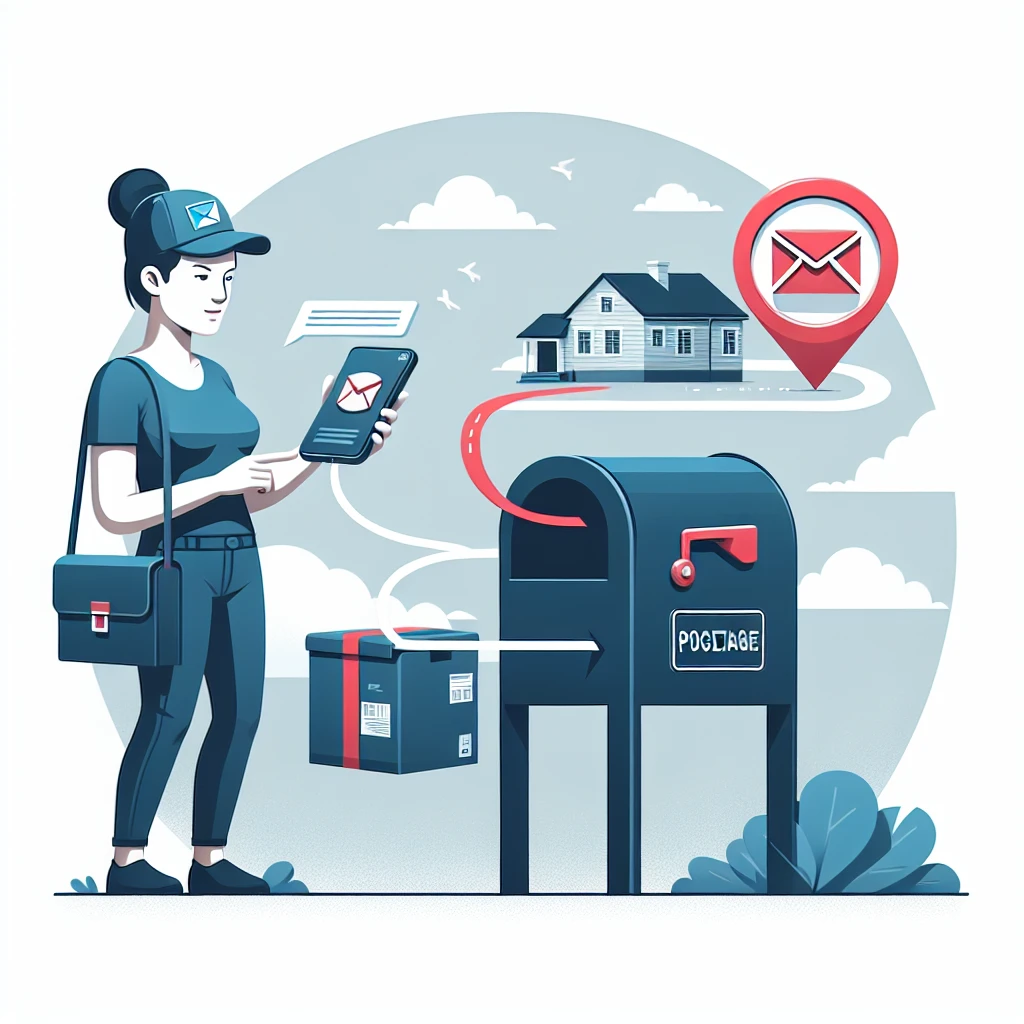
Overview of the US Postal Service Initiatives
The US Postal Service (USPS) has long been at the forefront of innovation in the delivery industry. In recent years, it has made significant strides in enhancing customer experience and streamlining processes. A key component of this evolution is the introduction of SMS status codes for secure package redirection, an initiative that promises to revolutionize how packages are managed and delivered.
Background and Historical Context
Over the decades, mailing and package delivery have undergone substantial transformations. From the establishment of the first postal systems to the current digital age, technology has continuously influenced how services are rendered. The USPS has been particularly adaptive, introducing tracking systems, online services, and now, SMS notifications to keep customers updated. This latest trial of SMS status codes is seen as a natural progression in their efforts to leverage technology for enhanced package security and customer convenience.
Understanding SMS Status Codes
SMS status codes are text message notifications that provide customers with real-time updates regarding their package status. This system allows customers to receive information about their package’s whereabouts and any necessary actions, such as redirection. With these codes, USPS aims to increase transparency in the delivery process and offer customers more control over their packages.
Implementation of the SMS Status Codes
The trial of SMS status codes involves a systematic approach to integrating this feature into the existing USPS framework. The process includes:
- Customer Enrollment: Customers must opt-in for SMS notifications, providing their mobile numbers during package dispatch.
- Code Generation: Each package is assigned a unique SMS status code that correlates with its tracking information.
- Notification Dispatch: Upon any change in package status, an SMS notification is sent to the enrolled customer, informing them of the update.
- Redirection Options: Customers can respond to these messages with specific commands for secure redirection of their packages.
Future Implications of SMS Notifications
The potential future implications of SMS status codes for secure package redirection are promising. Analysts predict that, if successful, this initiative could lead to:
- Improved Customer Satisfaction: With transparency and control, customers are likely to experience heightened satisfaction levels, thereby increasing loyalty to USPS.
- Reduced Delivery Errors: By allowing customers to redirect packages proactively, the number of misdeliveries and returns can be minimized.
- Competitive Edge: As eCommerce continues to grow, USPS’s innovative approaches, like SMS notifications, could position them favorably against private delivery services.
Benefits of SMS Status Codes
Implementing SMS status codes for secure package redirection brings a myriad of benefits for both the USPS and its customers:
1. Enhanced Security
Security is a significant concern for many customers when it comes to package delivery. SMS notifications enable real-time alerts, allowing customers to monitor their packages actively and manage redirections securely. This added layer of security helps prevent lost or stolen packages.
2. Increased Flexibility
The ability to redirect packages via SMS empowers customers with flexibility. Instead of being constrained by delivery timelines, customers can choose when and where they want their packages delivered, accommodating their schedules and preferences.
3. Cost Efficiency
By reducing misdelivered or returned packages, USPS can realize cost savings. These savings can be redirected to improve services and infrastructure, ultimately benefiting the customer.
Challenges to Consider
Despite the numerous advantages, there are challenges that the USPS may face as it rolls out this new system:
- Customer Adoption: Encouraging customers to opt-in for SMS notifications may require significant marketing efforts.
- Technical Limitations: Ensuring the reliability and security of the SMS system will be essential to avoid miscommunication and customer dissatisfaction.
- Privacy Concerns: Customers may have reservations about sharing their mobile numbers, necessitating robust privacy policies and assurances.
Real-World Applications and Examples
In practice, SMS status codes have been effectively utilized in various sectors beyond postal services. For instance, many courier companies have adopted similar strategies, allowing customers to track deliveries in real-time and make adjustments as needed. Such implementations have been met with positive feedback, underscoring the potential success of USPS’s trial.
Expert Opinions
Industry experts have weighed in on the USPS’s trial of SMS status codes, emphasizing its potential to enhance customer experiences. Jane Smith, a logistics analyst, stated, “The integration of SMS notifications is a game-changer. It not only improves service delivery but also aligns with modern consumer expectations for instant updates and control over their purchases.”
Customer Testimonials
As the USPS embarks on this initiative, gathering customer feedback will be crucial. Early adopters of SMS notifications in other sectors have reported increased satisfaction and a feeling of empowerment when monitoring their deliveries. Such testimonials can provide valuable insights for the USPS to refine and enhance the program further.
Cultural Relevance
In an age where instant communication is the norm, the integration of SMS notifications into package delivery aligns with cultural trends. Customers are increasingly accustomed to receiving updates via text, whether for flights, dinner reservations, or packages. By embracing this method, the USPS is not only modernizing its services but also meeting customers where they are—on their mobile devices.
Conclusion
The trial of SMS status codes for secure package redirection by the USPS represents a significant step forward in the evolution of package delivery services. By embracing technology and prioritizing customer satisfaction, USPS aims to enhance the overall delivery experience. As the trial progresses, the insights gained will be invaluable in shaping the future of this initiative and determining its long-term viability. In conclusion, the USPS is poised to not only improve its services but also to redefine customer engagement in the realm of package delivery.