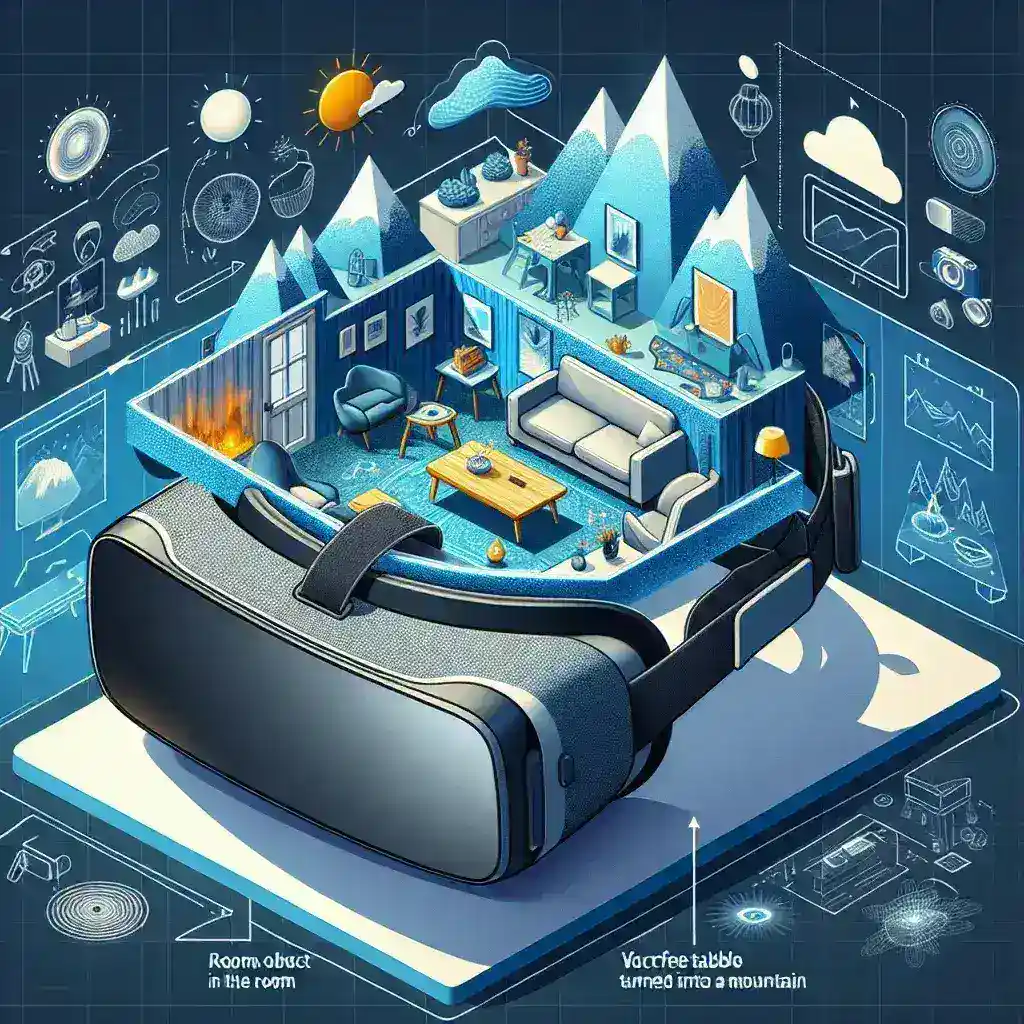
Introduction to Meta Quest 3 and Its Innovative Features
The landscape of virtual reality (VR) is continually evolving, and Meta Quest 3 is at the forefront of this transformation. With its latest mixed reality room mapping update, Meta is paving the way for a more immersive and interactive experience for users. This article delves deep into the new features, historical context, and the implications of this update, providing insights for both casual users and tech enthusiasts alike.
Understanding Mixed Reality and Room Mapping
Mixed reality (MR) is a technology that blends the physical and digital worlds, allowing users to interact with both simultaneously. Room mapping is a crucial aspect of MR, enabling devices to understand and navigate the physical environment. This feature not only enhances gameplay but also facilitates practical applications, such as virtual meetings and educational tools.
A Brief History of Mixed Reality Development
The concept of mixed reality has its roots in the early 1990s, with the advent of head-mounted displays. However, it wasn’t until the 2010s that significant advancements were made, particularly with the introduction of augmented reality (AR) and improved computer vision technologies. The launch of devices like Microsoft HoloLens and the original Oculus Rift set the stage for further innovations in this field.
The Evolution Leading to Meta Quest 3
Meta Quest 3 builds upon the legacy of its predecessors, the Oculus Quest and Quest 2, which were well-received for their standalone capabilities and user-friendly interfaces. With each iteration, Meta has focused on enhancing user experience, seamlessly integrating mixed reality features into their offerings. The recent room mapping update is a testament to this ongoing commitment.
New Features of the Mixed Reality Room Mapping Update
Enhanced Spatial Awareness
One of the standout features of the mixed reality room mapping update is enhanced spatial awareness. Users can now create a detailed map of their physical environment, allowing the device to recognize walls, furniture, and other obstacles. This capability not only enriches gaming experiences but also opens doors for practical applications in fields like design and architecture.
Real-time Interaction
The update introduces real-time interaction capabilities, enabling users to manipulate virtual objects as if they were physical items in their surroundings. For example, users can pick up a virtual object and move it around in their space, creating a more engaging and intuitive experience.
Accessibility Improvements
Meta has also prioritized accessibility with this update. The room mapping feature is designed to be user-friendly, accommodating individuals with varying levels of technological proficiency. Step-by-step tutorials and guided setups ensure that everyone can enjoy the benefits of mixed reality.
Implications of the Update
Impact on Gaming
For gamers, the mixed reality room mapping update heralds a new era of immersive gameplay. Titles designed to leverage these features will provide deeper engagement, allowing players to traverse and interact with their physical environments in ways previously unimagined. This could lead to new genres of games focused on real-world interactions.
Educational Applications
The educational sector stands to gain significantly from this technology. Imagine students being able to explore historical sites or complex biological processes right in their classrooms. The possibilities are endless, making learning more interactive and enjoyable.
Potential Challenges
While the mixed reality room mapping update presents exciting opportunities, it is essential to consider potential challenges. Privacy concerns regarding spatial data and the need for safe physical environments cannot be overlooked. Meta must continue to address these issues to ensure user security and comfort.
Conclusion: The Future of Mixed Reality with Meta Quest 3
The mixed reality room mapping update for Meta Quest 3 represents a significant leap forward in the integration of virtual and physical worlds. As users embrace these new capabilities, the implications for gaming, education, and beyond will continue to unfold. With ongoing advancements in technology, the future of mixed reality looks brighter than ever.
FAQs
- What is mixed reality? Mixed reality is a blend of physical and digital worlds, allowing users to interact with both.
- How does room mapping enhance user experience? Room mapping allows devices to understand and navigate the physical environment, enriching interactions.
- Are there any safety concerns with mixed reality? Yes, privacy and safety are crucial considerations when using mixed reality technologies.
- What types of applications can benefit from this update? Gaming, education, design, and architecture are just a few fields that can leverage mixed reality advancements.