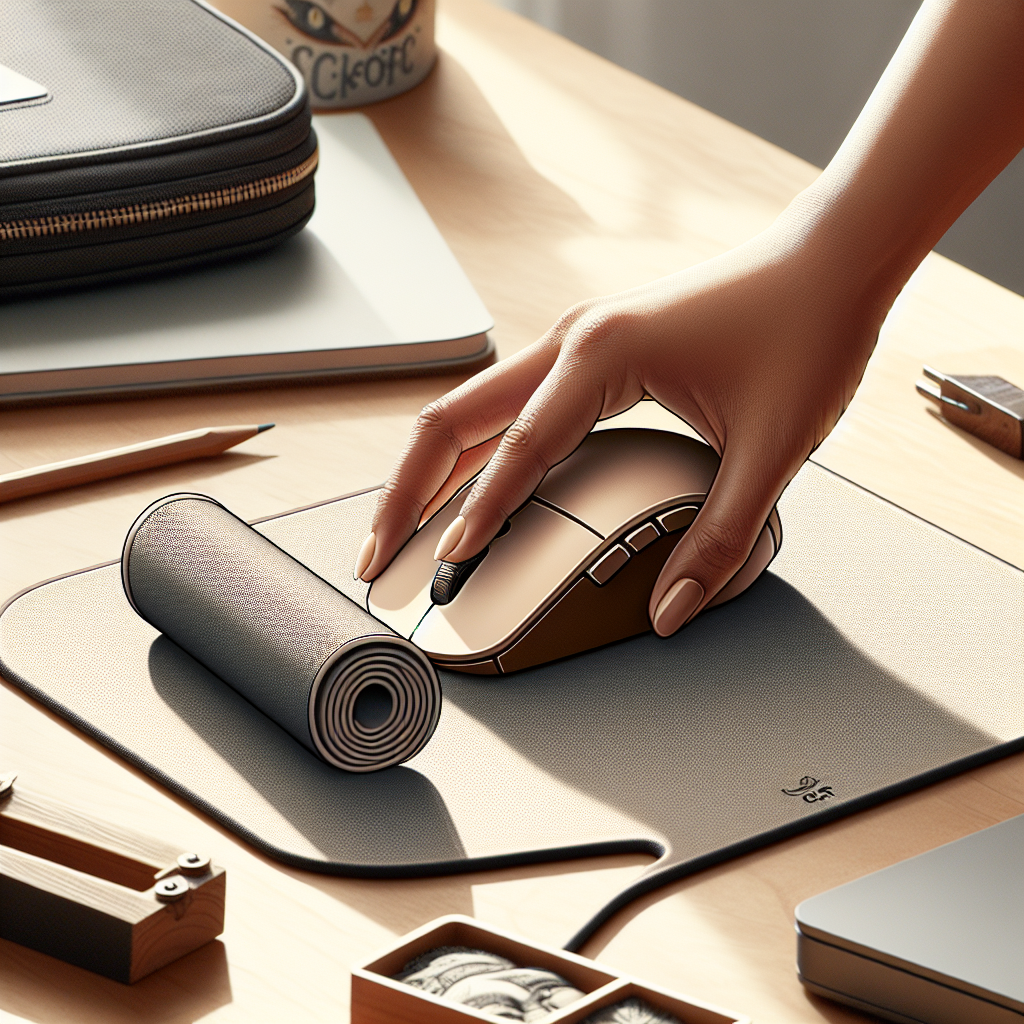
When it comes to transporting your gaming or office gear, a question often arises: Can I roll up a mouse pad for transport? This common query can have different answers based on the type of mouse pad you own and how you intend to use it. In this article, we will delve deep into the various types of mouse pads, their materials, the potential consequences of rolling them up, and the best practices for safe transport. By understanding these aspects, you can ensure your gear remains in excellent condition, ready for your next gaming session or work project.
To give you a clearer picture of the subject, here’s a brief comparison of different mouse pad types and their transportability:
| Mouse Pad Type | Material | Transportability | Damage Risk When Rolled |
|---|---|---|---|
| Hard Mouse Pads | Plastic, Metal | Good | Low |
| Soft Mouse Pads | Cloth, Rubber | Moderate | Medium |
| Extended Mouse Pads | Cloth | Poor | High |
| Gaming Mouse Pads | Various (usually Cloth) | Moderate | Medium |
Understanding Mouse Pad Materials
To answer the question about rolling up your mouse pad, you first need to understand the materials they’re made of. Mouse pads can generally be classified into two main categories: hard and soft, each with its own set of materials.
Hard Mouse Pads
These are made from materials like plastic or metal and have a sturdy, flat surface. Because of their rigidity, they are less likely to be damaged when rolled up. Some advantages include:
- Durability: Hard mouse pads can tolerate more wear and tear.
- Easy cleaning: These pads can often be cleaned with a simple wipe.
- Transport-friendly: They are often designed to be portable, making them easier to transport without damage.
Soft Mouse Pads
Soft mouse pads are typically constructed from cloth or rubber materials. They are flexible and comfortable for long hours of use. However, their softer nature raises some concerns when it comes to rolling them up:
- Flexibility: While they can be rolled, frequent rolling may lead to creases.
- Warping: Over time, rolling can cause them to lose their flatness, which may hurt mouse sensitivity.
- Moisture absorption: Cloth pads can absorb moisture, making them harder to clean if they get rolled and packed up with wet items.
The Risks of Rolling Your Mouse Pad
Rolling up a mouse pad does come with its risks, especially if it is not designed for such treatment. Here are the potential drawbacks that you should consider:
1. Creasing
One of the most common issues is creasing. If you roll up a soft mouse pad, it can develop permanent creases that can interfere with smooth mouse movement. A creased surface is not just an aesthetic problem; it can significantly decrease your gaming or work performance.
2. Warping
Another risk is warping. When a pad is rolled up for an extended period, it may not return to its original flat state. Warped surfaces can lead to uneven friction, resulting in erratic mouse behavior.
3. Surface Damage
Some padded surfaces may suffer from abrasion or damage when rolled. This is particularly true for pads with printed designs or special textures, which may wear off over time.
4. Loss of Shape
A rolled mouse pad, especially extended versions, can lose its intended shape, making it less efficient for larger mouse movements, which can be harmful in a competitive gaming environment.
Best Practices for Transporting Mouse Pads
If you must transport your mouse pad, here are some recommendations to ensure its safety:
1. Alternative Packing Methods
If rolling up your mouse pad poses a risk, consider folding it instead. Please note that you should not fold it sharply; instead, allow it to bend naturally without forcing it into a crease.
2. Use a Protective Case
When transporting your mouse pad, consider using a protective case or a carrying sleeve to shield it from damage. This can help lock it in form and prevent exposure to potential hazards.
3. Keep It Flat
If possible, keep your mouse pad flat during transport. If you’re transporting multiple items, put your mouse pad on a hard surface or the bottom of the bag to minimize the risk of bending and rolling.
4. Clean Regularly
For hygiene and maintenance, ensure your mouse pad is clean before packing it away. This can help prevent a buildup of dirt and grime that could be exacerbated by rolling or squishing.
Conclusion: Remembering the ‘Mouse’ in Mouse Pad
So, can you roll up a mouse pad for transport? While it is technically feasible for certain types of mouse pads, it’s not recommended for all. The safest option is always to assess the pad’s material and condition before deciding.
Remember, your mouse pad is more than just a surface—it’s part of your setup that contributes to performance during work or gaming. Therefore, taking the necessary precautions can help protect your investment and ensure smooth navigation and gameplay. In the end, the best course of action is to prioritize the care and maintenance of your gear, so you’re always ready for your next challenge.