Introduction
Mouse pads have become an essential accessory for both gamers and professionals who rely on precision input devices. Among the various features that can be found in mouse pads, stitched edges have garnered significant attention. But what is the purpose of stitched edges on mouse pads? In this article, we will delve into the reasons why stitched edges are beneficial, the materials typically used, and the advantages and disadvantages associated with them.
Table of Contents
- What are Stitched Edges?
- Benefits of Stitched Edges
- Different Types of Mouse Pads with Stitched Edges
- Materials Used for Stitched Edges
- Comparison: Stitched vs Non-Stitched Mouse Pads
- Care and Maintenance of Stitched Edge Mouse Pads
- Conclusion
What are Stitched Edges?
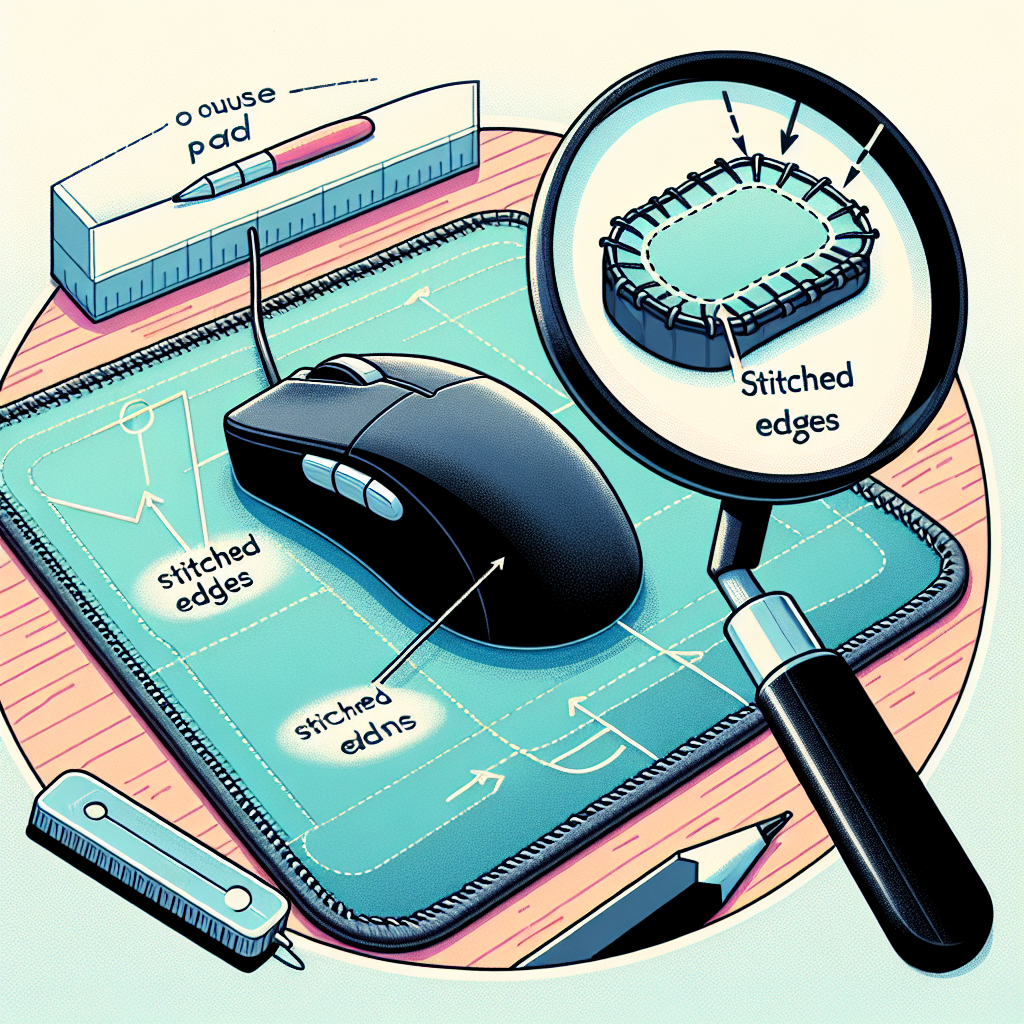
Stitched edges refer to the reinforced stitching found along the perimeter of a mouse pad. This technique is used to prevent fraying, which is a common issue in mouse pads made from fabric materials. The stitching effectively secures the edges and prolongs the life of the product.
Benefits of Stitched Edges
The advantages of having stitched edges on mouse pads are numerous. Let’s explore some of the most significant benefits:
- Durability: The primary purpose of stitched edges is to enhance the durability of mouse pads. Without stitching, the edges of fabric mouse pads are prone to fraying over time, which can render the product unusable.
- Aesthetics: Stitched edges can add a touch of style to your mouse pad. Available in various colors and styles, they provide an appealing visual element that complements your workspace.
- Improved Performance: The sturdiness provided by stitched edges means that users experience less wobble or shifting of the pad while in use. This stability can enhance precision and control during gaming or work.
- Comfort: Stitched edges tend to be softer than their non-stitched counterparts, making them more comfortable for prolonged use.
- Resistance to Liquid Spills: Some stitched edge mouse pads include features that offer better resistance to liquid spills. If the surface gets wet, the stitching minimizes the chances of moisture reaching the internal materials.
Different Types of Mouse Pads with Stitched Edges
There are various types of mouse pads available in the market, each designed for specific needs. Below is a table highlighting some popular types of stitched edge mouse pads:
| Type | Description | Recommended For |
|---|---|---|
| Standard Mouse Pads | Basic flat design with stitched edges for general use. | Office workers and casual users. |
| Gaming Mouse Pads | Larger surface area and optimized for speed and control, featuring stitched edges. | Gamers who need precision and speed. |
| Extended Mouse Pads | Oversized pads that cover both mouse and keyboard areas with stitched edges. | Professional gamers and multitaskers. |
| Ergonomic Mouse Pads | Mouse pads designed to provide wrist support alongside stitched edges. | Users concerned about wrist strain. |
Materials Used for Stitched Edges
The materials used in mouse pads with stitched edges can significantly impact their performance and longevity. Here’s a rundown of the most common materials:
- Fabric: Often used for its smooth surface, fabric mouse pads with stitched edges offer a balance between speed and control.
- Rubber: The base of many mouse pads, rubber provides a non-slip surface, while the stitched edges help maintain the integrity of the product.
- Plastic: High-speed mouse pads made from plastic surfaces often have stitched edges to avoid fraying and to improve the overall lifespan.
- Metal: Though less common, some gaming mouse pads combine metal with stitched edges for durability and a unique look.
Comparison: Stitched vs Non-Stitched Mouse Pads
When choosing a mouse pad, one of the main considerations is whether to opt for a stitched or non-stitched design. Here is a comparative analysis:
| Feature | Stitched Edges | Non-Stitched Edges |
|---|---|---|
| Durability | High – offers excellent wear resistance | Medium – prone to fraying over time |
| Comfort | Generally softer and smoother | Can feel rough at the edges |
| Visual Appeal | Available in various styles and colors | Less customizable |
| Price | Moderately priced; tends to be higher | More affordable |
Care and Maintenance of Stitched Edge Mouse Pads
To ensure the longevity and effectiveness of stitched edge mouse pads, proper care is essential. Here are some maintenance tips:
- Regular Cleaning: Use a damp cloth to wipe down the surface of the mouse pad. For deep cleaning, some can be machine washed, but always check the care label.
- Drying: If you wash the pad, allow it to air dry; avoid exposing it to direct sunlight to prevent warping.
- Avoid Moisture: While stitched edges offer some protection against spills, it’s best to keep liquids away from your mouse pad.
- Store Properly: Avoid rolling or folding the mouse pad when storing it, as this can damage the stitching.
Conclusion
Stitched edges on mouse pads serve multiple essential purposes, enhancing durability, aesthetic appeal, and overall performance. With options available for various uses, it’s important to select the right type of mouse pad that meets individual needs. Whether you are a gamer or a professional user, investing in a stitched edge mouse pad can provide the advantages required for superior performance and comfort during use.