Introduction
The quest for sustainable waste management solutions has become increasingly critical in today’s world. One of the most promising innovations in this arena is the hydrogen plasma torch technology, which has emerged from international research efforts. This article delves into the U.S. implications of these advancements, particularly focusing on waste innovation and the potential benefits and challenges that lie ahead.
Understanding Hydrogen Plasma Torch Technology
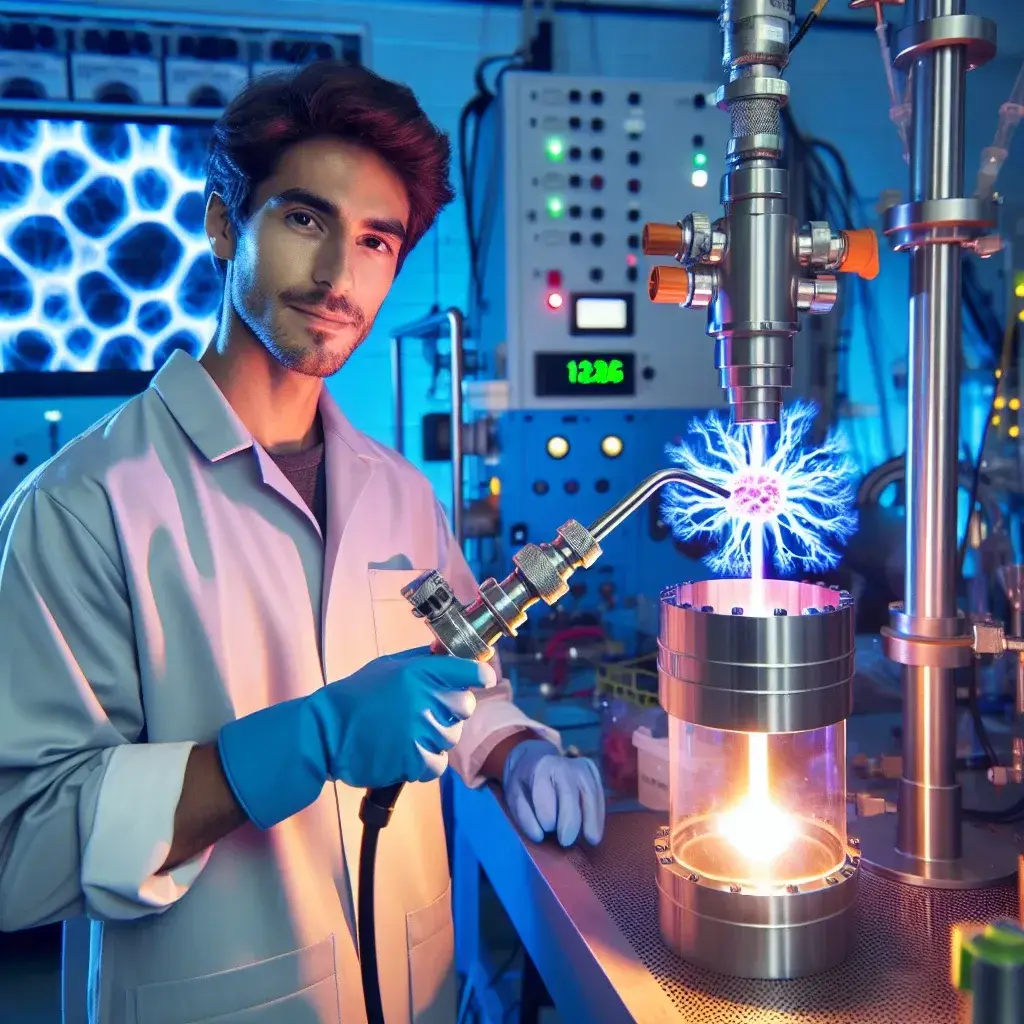
Hydrogen plasma torch technology utilizes high-temperature plasma generated by ionizing hydrogen gas. This process can effectively break down a variety of waste materials into their elemental components, facilitating the recycling of valuable materials and reducing the volume of waste destined for landfills.
The Mechanism of Operation
The hydrogen plasma torch operates through a series of steps:
- Ionization: Hydrogen gas is ionized to create plasma, achieving temperatures exceeding 10,000 degrees Fahrenheit.
- Waste Introduction: Waste materials are introduced into the plasma zone, where they are subjected to extreme heat.
- Decomposition: The intense heat breaks down organic and inorganic materials into simpler elements.
- Material Recovery: The resulting gaseous byproducts can be captured and converted into energy or raw materials.
International Research Contributions
Countries worldwide have made significant strides in advancing hydrogen plasma torch technology. Research initiatives in Europe, Asia, and beyond have led to innovative applications and improved efficiency. For instance:
European Advancements
Researchers in Europe have successfully implemented pilot projects that demonstrate the effectiveness of hydrogen plasma technology in treating hazardous waste, including industrial byproducts and medical waste.
Asian Innovations
Countries like Japan and South Korea have invested heavily in plasma technology, focusing on energy recovery from waste, thereby addressing dual challenges of waste disposal and energy generation.
U.S. Context: Adopting International Innovations
The U.S. stands at a crossroads, with an opportunity to learn from global advancements in hydrogen plasma torch technology. The implications of adopting these innovations are vast:
Environmental Benefits
By integrating hydrogen plasma technology into waste management strategies, the U.S. could significantly reduce its carbon footprint. This technology offers several environmental advantages:
- Waste Volume Reduction: Plasma treatment can reduce waste volume by up to 90%, alleviating pressure on landfills.
- Resource Recovery: Valuable materials such as metals can be recovered and reused, promoting a circular economy.
- Greenhouse Gas Emissions: The process emits fewer greenhouse gases compared to traditional incineration methods, contributing to climate change mitigation.
Economic Implications
The adoption of hydrogen plasma torch technology could also spur economic growth in the U.S. by creating jobs in research, development, and operation of plasma facilities. Additionally, it could stimulate innovation in waste processing technologies, making the U.S. a leader in sustainable practices.
Challenges and Considerations
While the prospects of hydrogen plasma technology are promising, several challenges must be addressed:
Technological Barriers
Despite its advantages, hydrogen plasma technology remains complex and requires significant investment in research and infrastructure. The initial costs of setting up plasma facilities can be prohibitive for some municipalities.
Regulatory Framework
The U.S. regulatory framework surrounding waste management and plasma technology is still evolving. Policymakers will need to establish guidelines that ensure safety and environmental protection while facilitating innovation.
Future Predictions
Looking ahead, the future of hydrogen plasma torch technology in the U.S. appears bright:
Increased Adoption
As awareness of the benefits of hydrogen plasma technology grows, more municipalities and private firms may choose to adopt this innovative waste management solution.
Technological Advancements
Continued research and development will likely lead to advancements that improve the efficiency and cost-effectiveness of hydrogen plasma systems.
Global Collaboration
The U.S. may engage in further international collaboration, learning from successful implementations across the globe to tailor solutions that suit local needs.
Conclusion
The implications of hydrogen plasma torch waste innovations from international research hold promise for the U.S. in terms of environmental sustainability, economic growth, and technological leadership. By embracing these advancements, the U.S. has the opportunity to revolutionize waste management practices, paving the way for a cleaner, more sustainable future. Continued research and collaboration will be essential in overcoming challenges and maximizing the potential of this groundbreaking technology.